Forever young? Extracellular vesicles may be key to halt aging
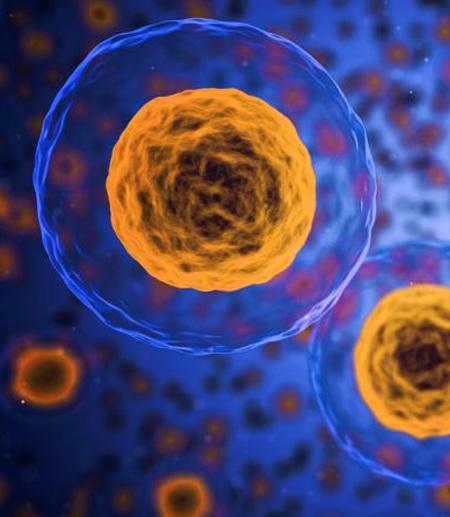
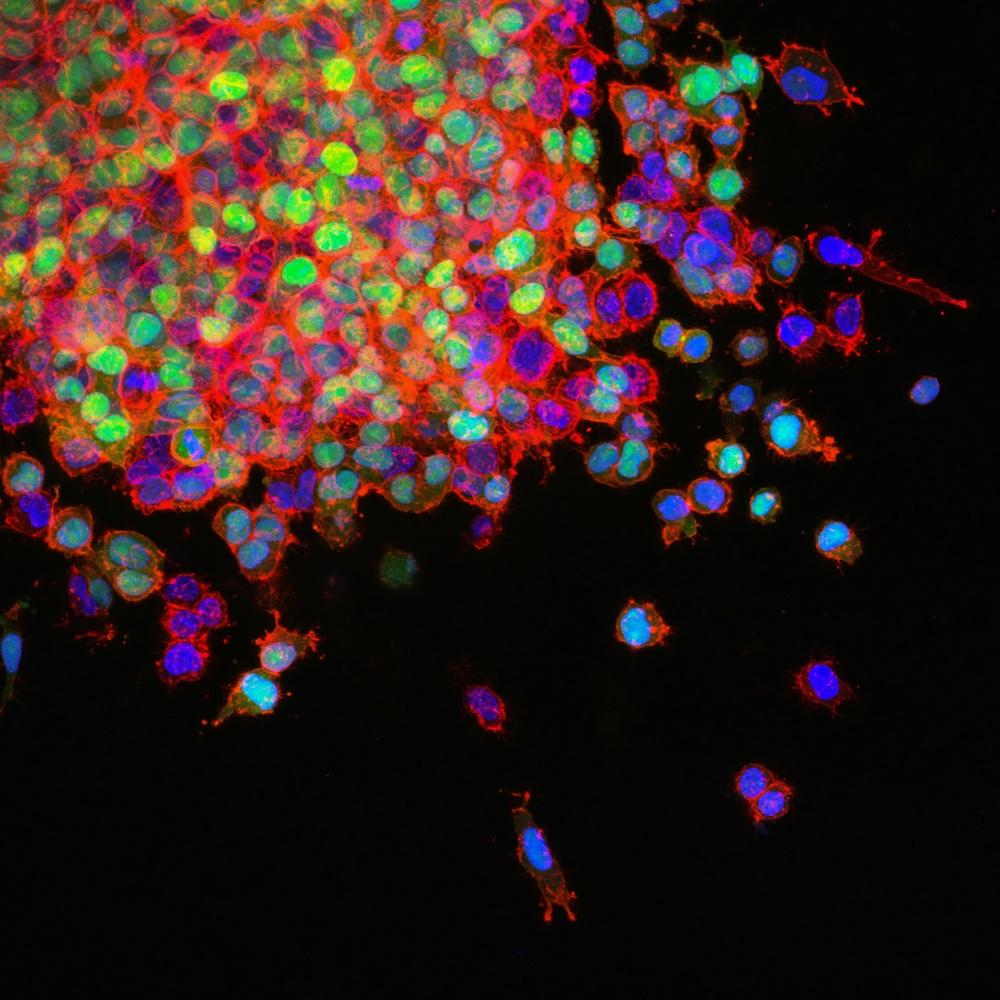
Scientists have outlined exactly how embryonic stem cells protect other cells from the effects of oxidative stress, thus preventing cellular aging.
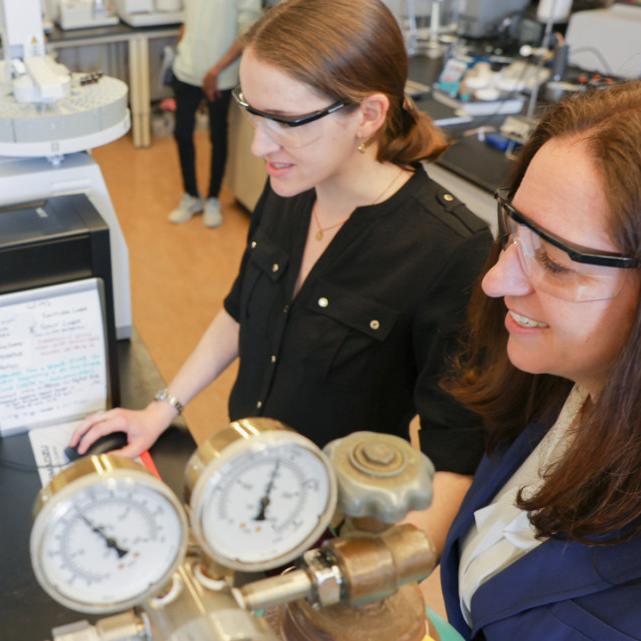
An interdisciplinary team of researchers determined that organic residues of plant oils are poorly preserved in calcareous soils from the Mediterranean, leading decades of archaeologists to likely misidentify olive oil in ceramic artifacts.
New grant funding will support eight research projects seeking to reduce AI’s energy use and integrate AI in environmental research.
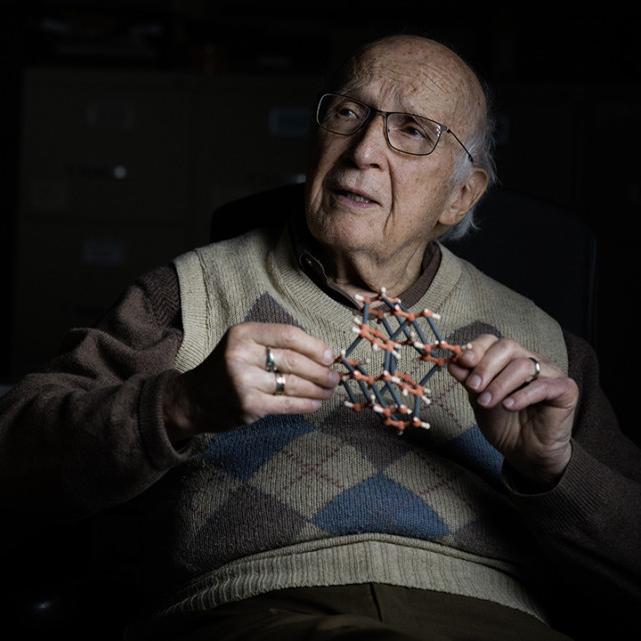
The portraits are part of a series by Christopher Michel, the National Academies of Sciences, Engineering and Medicine’s inaugural artist-in-residence.
Coates is being recognized “for transformative work at the interface of chemical catalyst design and polymer science.”
If Trump allies exceed expectations during Nov. 4 elections, despite his disapproval ratings, it will be a sign that Republicans can still benefit from Democrats’ continued unpopularity.
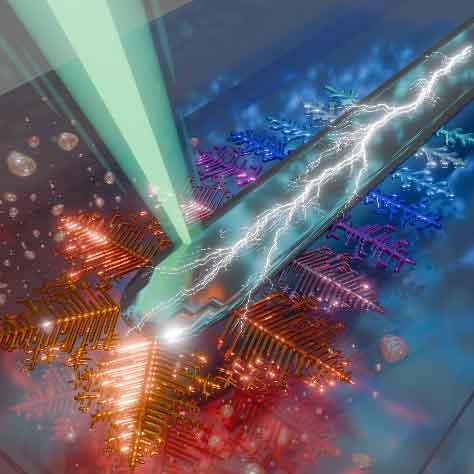
Researchers used single-molecule super-resolution reaction imaging in the study.
Newly admitted into the Praxis Center business incubator, Quantera aims to improve scientific sample collection.
Researchers have uncovered molecules that can preserve crucial cellular processes while blocking malignant proteins, indicating a new approach to fighting cancer.
Aleesha George, a doctoral candidate in chemistry and chemical biology, studies the optical and electronic properties of organic and hybrid materials under the guidance of Andrew Musser at Cornell.
The president of the Camille and Henry Dreyfus Foundation will present Abruña with the award in a 4 p.m. ceremony in the Meshri Family Auditorium, Baker Laboratory Room 200 and also livestreamed.
Members of the cohort of eight scientists and engineers will each receive up to $2.5 million over five years.
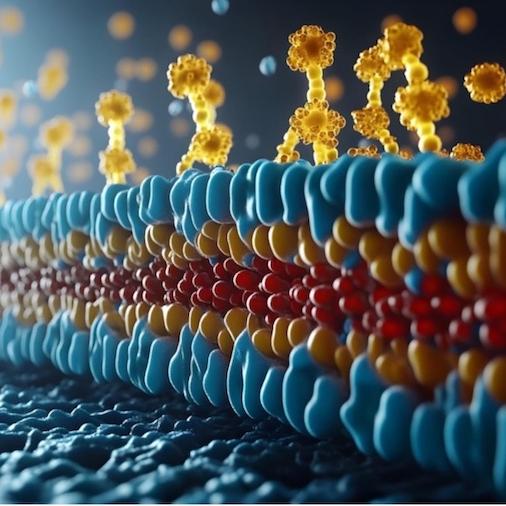
Cornell researchers have uncovered the "three-tailed" fat molecule's surprising role in cellular survival: protecting against damage when oxygen runs out.
Recognized for advancing electrochemical techniques that enable efficient, sustainable synthesis of complex organic molecules, accelerating drug development, and materials innovation, Lin is a finalist in Chemical Sciences.
Marissa Lavagnino, Chemistry and Chemical Biology
Jonathan “Jon" Kephart, Chemistry and Chemical Biology
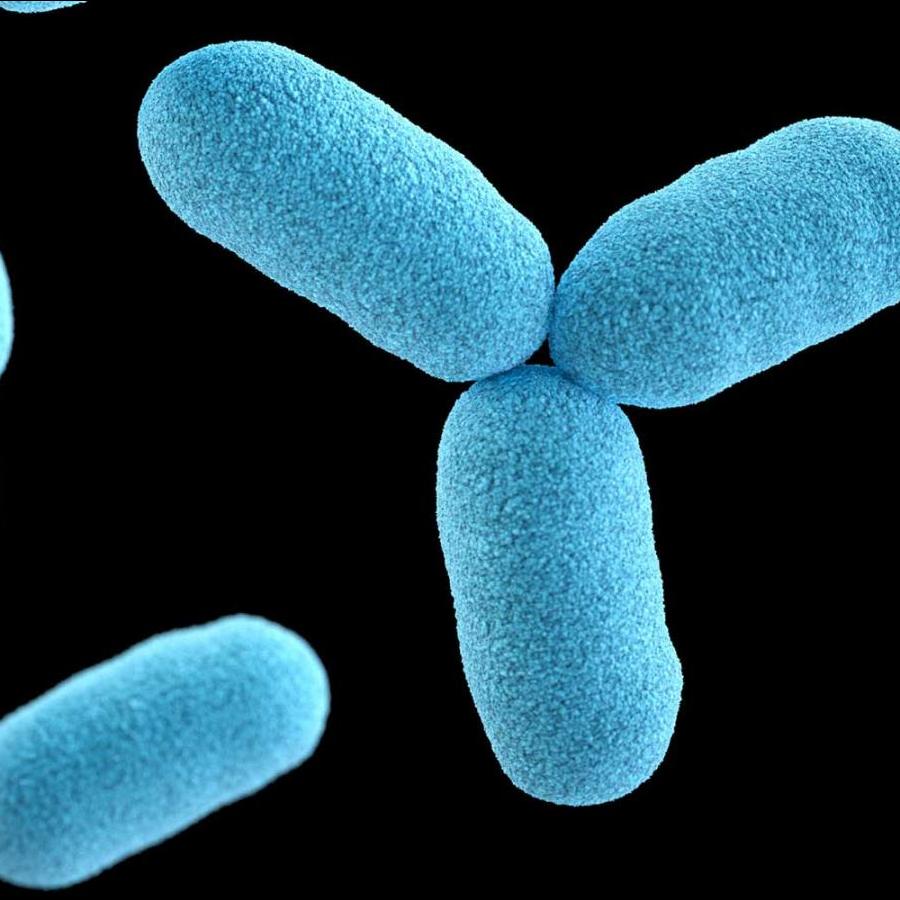
A Cornell-led collaboration devised a potentially low-cost method for producing antibodies for therapeutic treatments: bioengineered bacteria with an overlooked enzyme that can help monoclonal antibodies boost their immune defenses.
Ten students who participated in this summer's Nexus Scholars Program share their stories..
Song Lin and collaborators use electrochemistry to selectively synthesize chiral compounds – important in pharmaceuticals.
Cornell chemistry researchers have designed a light-powered, reusable catalyst that’s pre-charged by electricity and capable of driving challenging reactions, with applications including drug development and environmental clean-up.
A new $5 million initiative, funded by the Astera Institute with experimental work conducted at the Cornell High Energy Synchrotron Source, aims to make diffuse scattering accessible to the public and the broader scientific community.
Innovative and far-reaching discoveries such as better electric batteries, carbon capture technologies, renewable plastics and improvements in solar cells are just a few of their research areas.
A grant from the Ono Pharma Breakthrough Science Initiative, which supports bold new ideas in science, will help Cornell researchers study how chemical modifications to proteins play a powerful role in cell survival.
Cornell chemistry and chemical biology researchers have found a new and potentially more accurate way to see what proteins are doing inside living cells — using the cells’ own components as built-in sensors.
The professorships are made possible because of gifts from alumni, parents and friends.
From designing a reversible male contraceptive to detecting life on distant ocean worlds, the latest Cornell Engineering SPROUT Awards are cultivating breakthroughs across medicine, space exploration, robotics and environmental sensing.
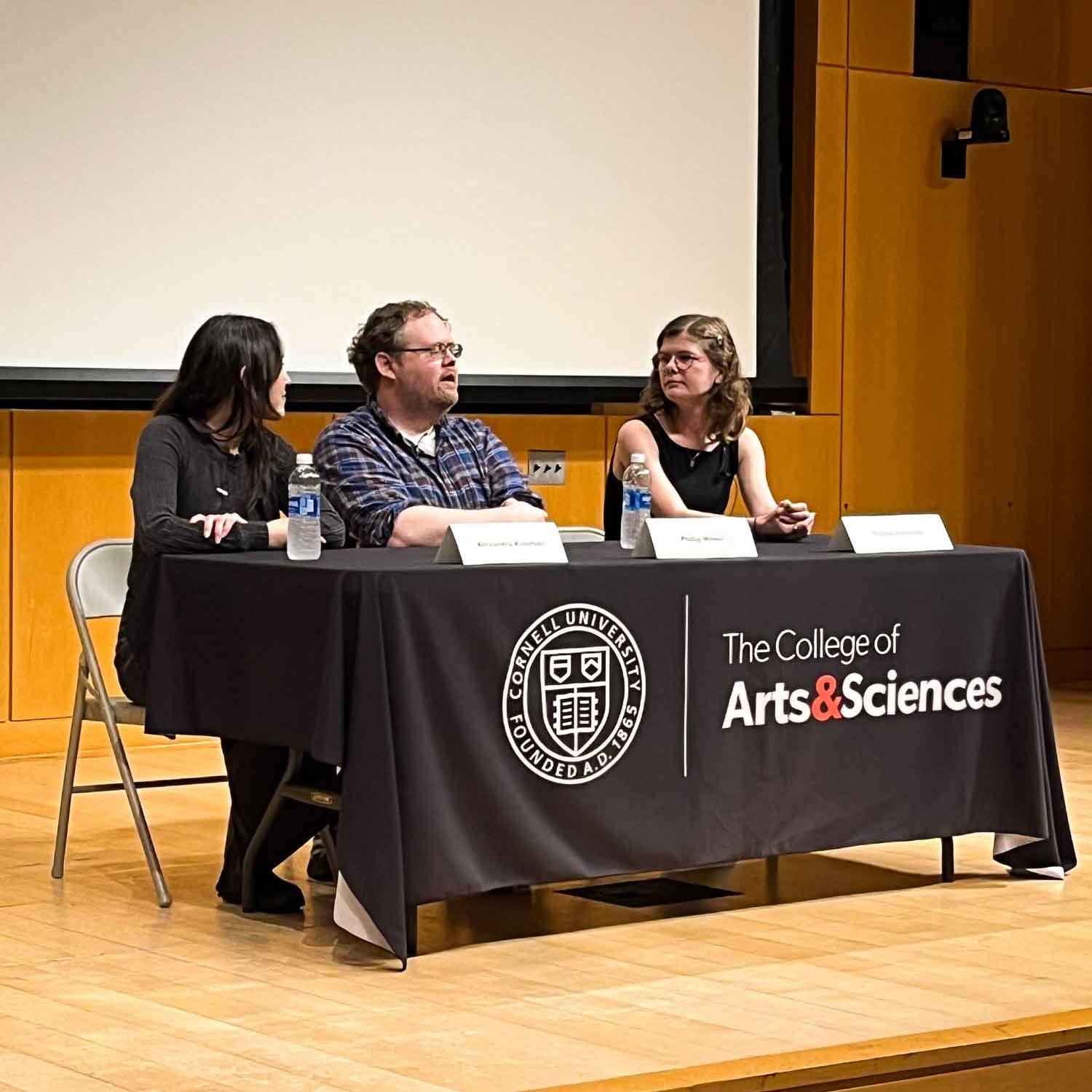
The panel, during Reunion 2025, was called "Beyond the Apocalypse: New Narratives and Innovations for Climate Action."
The Lindau Nobel Laureate Meetings bring together Nobel Prize recipients and approx. 600 exceptional young scientists from around the world for a week of “interdisciplinary exchange” aimed at fostering scientific collaboration across generations and national boundaries.
“The dream is, if you can make a really rigid polymer that’s also really tough, then you can make packaging that uses less material, yet has the same sort of properties."
The technique enables them to watch chemistry in action and collect real-time movies showing what happens to energy materials during temperature changes.
Awardees were recognized for the significant impacts they have made to advance access, engagement and belonging through their service and leadership.
“This grant will allow us to pursue some high-risk, novel ideas for how to measure material properties like elasticity and high-frequency conductivity that have previously been inaccessible in 2D materials.”
The biennial prize, announced May 15, “recognizes an individual for exceptional and original research in a selected area of chemistry that has advanced the field in a major way.”
Cornell chemists have developed a user-friendly, scalable process for methacrylate that’s precisely controlled and mediated by carbon dioxide.
Inspired by the mechanisms plants use to store carbon, researchers found that sunlight can power the capture and release of carbon dioxide, which could vastly lower costs and net emissions.
Ethan Gumataotao is majoring in chemistry and chemical biology.
Aria Mingo is majoring in chemistry & chemical biology.
Caitlyn Sams is majoring in biological sciences and chemistry & chemical biology.
Over 300 graduate students came together to offer this year’s annual Expanding Your Horizons (EYH) conference, putting in countless hours of volunteer work to host middle and high school students from across the state for a day of hands-on learning experiences on April 5.
Visit the Poetry Foundation website, type in “Cornell,” and you’ll find 405 results.
The 2025 Cornell Energy Summit: “The Energy Landscape: Meeting Global Needs in the Age of Sustainability” will be held on April 30, 8 a.m. to 4 p.m. in the Statler Hotel Ballroom.
Princeton history professor Michael Gordin will give the inaugural lecture celebrating the life and work of Henry Guerlac ’32, M.S. ’33, an influential historian of science and Cornell faculty member for three decades.
A Chemistry and Chemical Biology graduate student in the Weill Institute’s Baskin Lab, Ryan will be among 600 young scientists from around the world to come together in Lindau, Germany.
Researchers have identified a new way to fight infections like Lyme disease and syphilis by disrupting the bacteria’s ‘motor,’ preventing it from spreading through the body.
An FDA-approved drug used in humans has been found to inhibit the growth of oral squamous cell carcinomas in dogs - with one dog’s tumor nearly disappearing in a matter of weeks.
Chemistry researchers have found ways to reduce the environmental impact of high-density polyethylene by developing a model that enables manufacturers to customize and improve those materials.
The station will serve as part of a real-world “living laboratory” for existing and emerging electric-vehicle technologies developed at Cornell and elsewhere.
Robert C. Fay, emeritus professor of chemistry and chemical biology in the College of Arts and Sciences, died Feb. 6 in Fairfax, Virginia. He was 88.
What if photovoltaic panels were a hinged, lightweight fabric that was aesthetically attractive and could wrap around complex shapes to better absorb sunlight?
Brian Crane began as Director of the Weill Center for Cell and Molecular Biology on January 1, 2025. He is only the second Director in the History of the Weill Institute since its founding by inaugural Director Scott Emr in 2008.